

The building dictates the method. Not the truck.
Every move begins with a site read. Every item is logged before it leaves the floor. Every room is checked before we do.
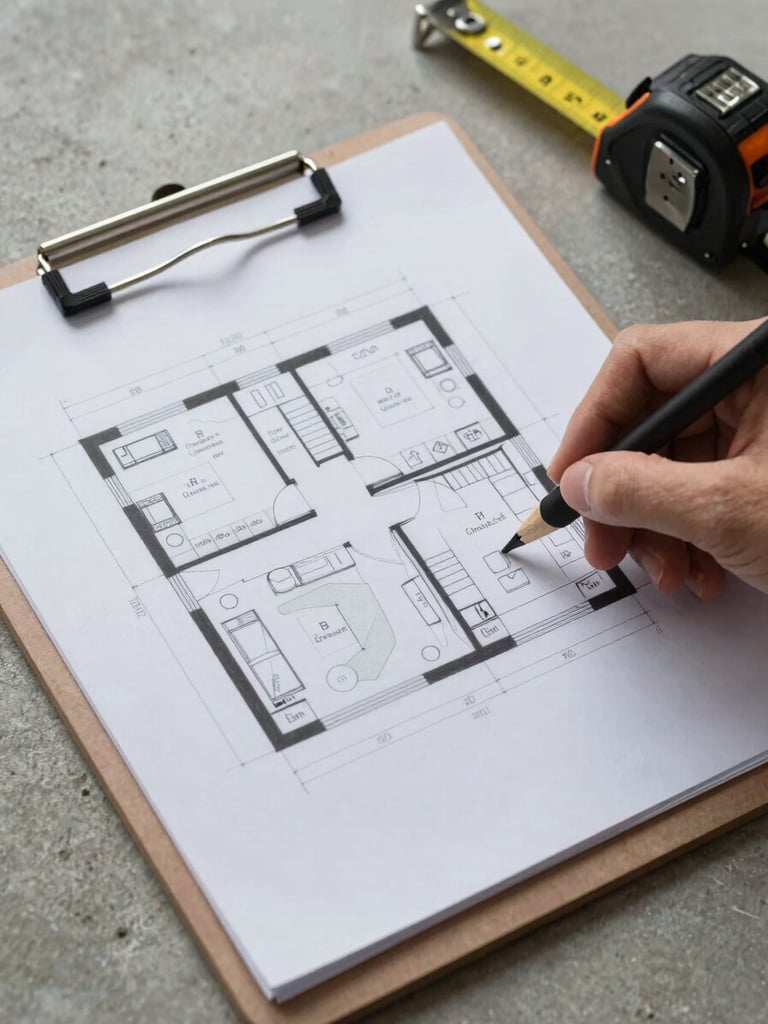
Assessment before a single item moves
We walk the origin and destination before quoting or packing. Access points, lift dimensions, corridor widths — these determine the load sequence and vehicle positioning, not the other way around.
Furniture routes are mapped. Fragile items are flagged. The crew arrives briefed, not guessing.
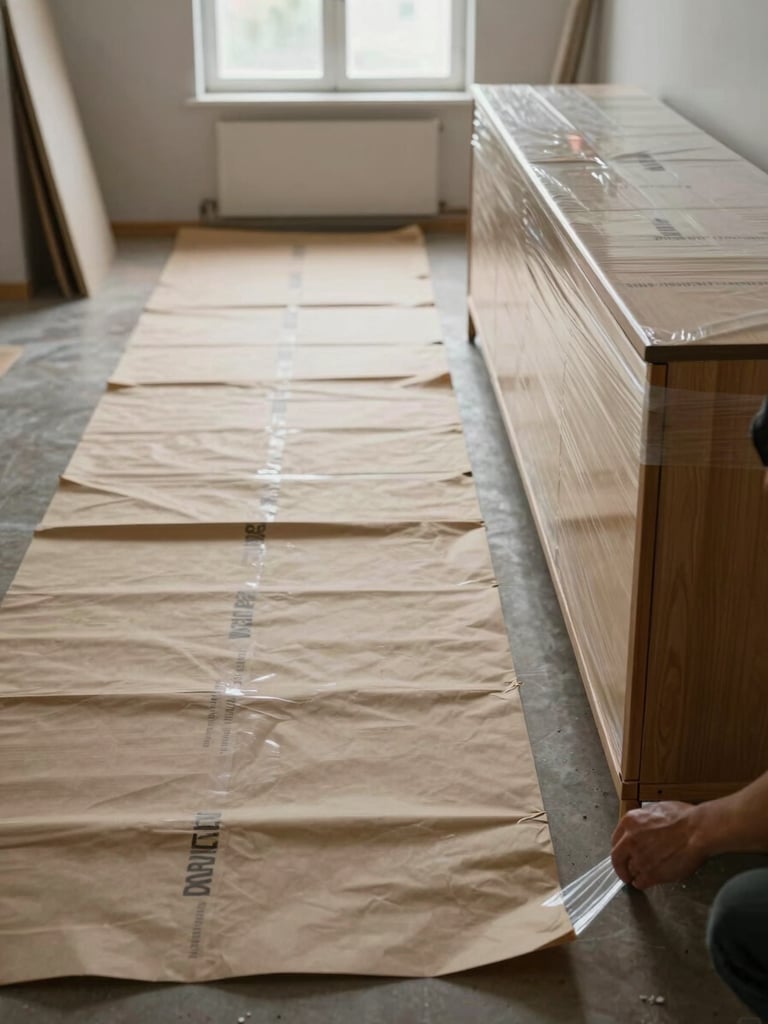
Logged, wrapped, loaded in reverse unpack order
Each item is catalogued before it is wrapped. Material class determines protection: glass, timber, upholstery, and electronics each follow a distinct protocol — not a single wrap-everything approach.
Load order mirrors the destination floor plan. What unpacks first loads last. The truck interior is an organised system, not a filled space.
Every packed item is signed off against the inventory before the vehicle departs. No piece leaves without a record.
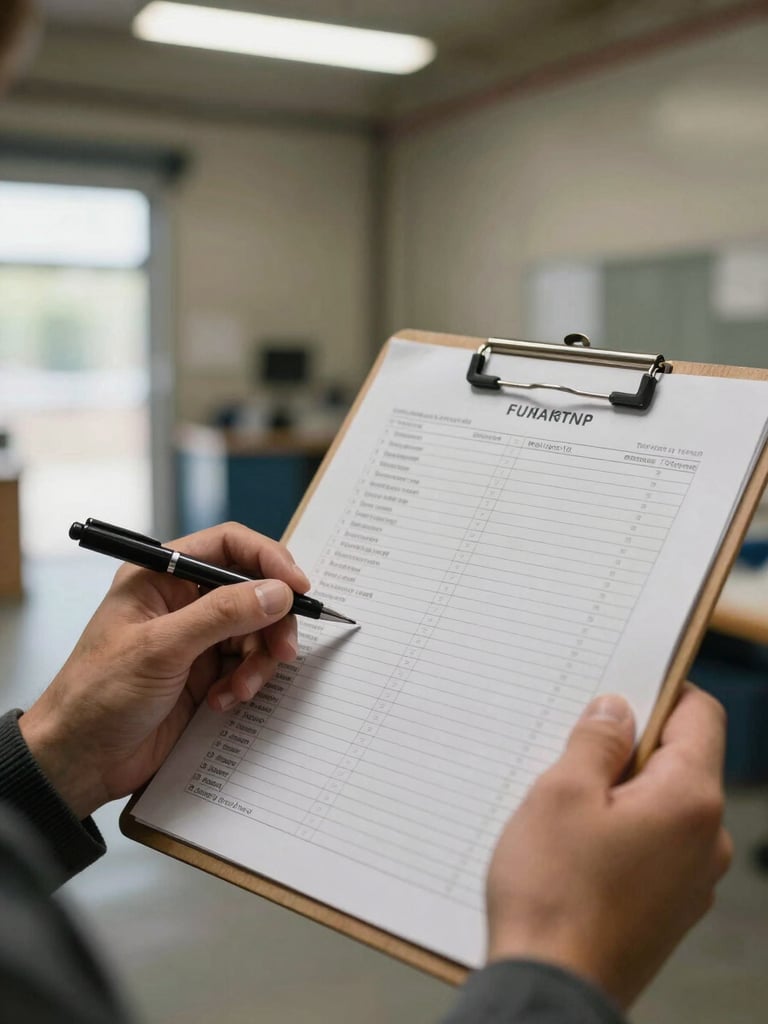
Placed to instruction. Checked room by room.
Furniture is positioned to the client's floor plan, not wherever it clears the door. Unpacking follows the same documented sequence used during packing — every box to its designated room.
Before the crew leaves, a condition check is conducted room by room against the origin inventory. Any discrepancy is raised on-site, not after the fact.
Know the method. Then book the move.
The assessment is where accountability begins. Request one and we will scope your move in full — access points, material classes, crew size, and timeline.